

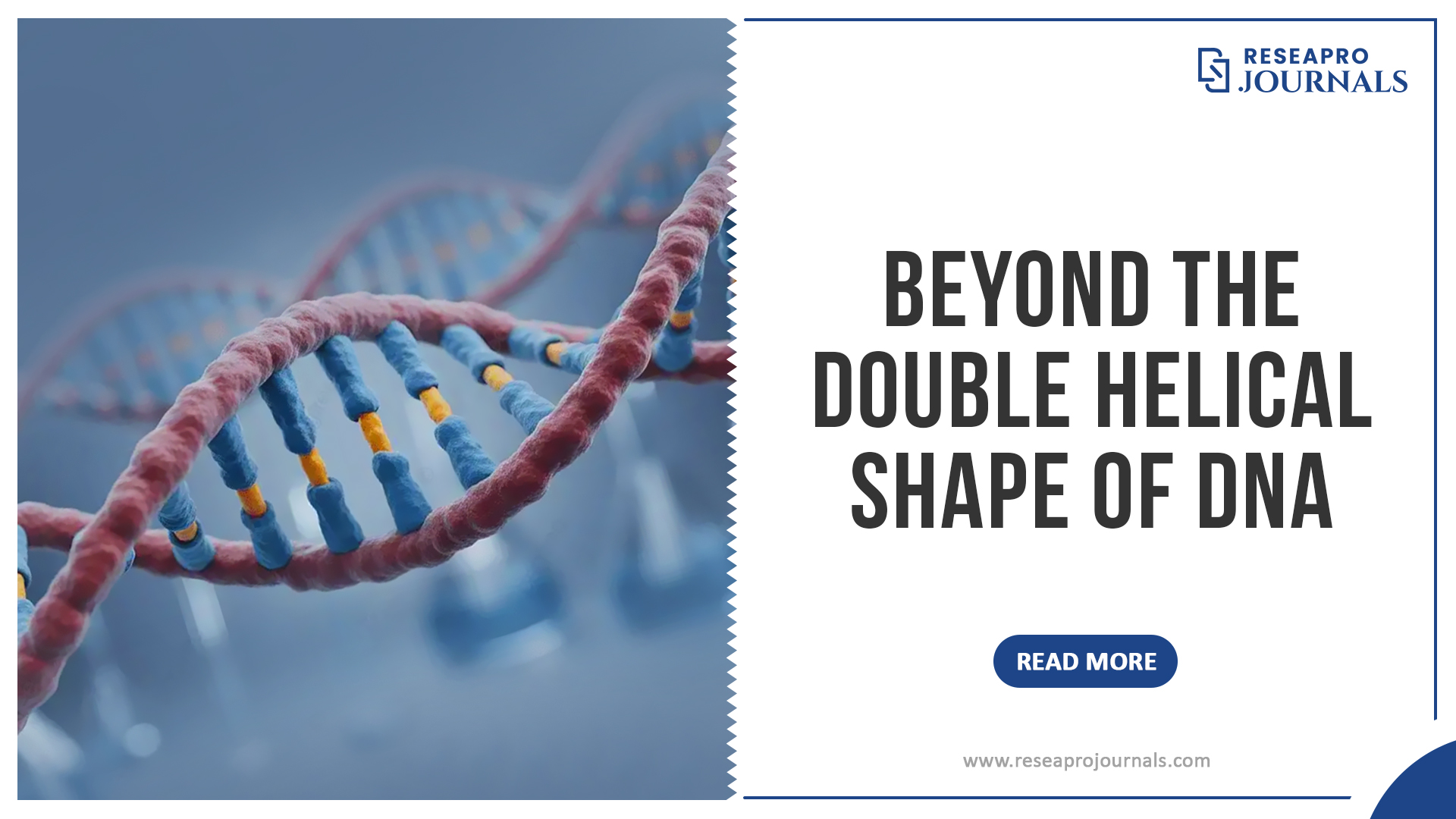
Beyond the Double Helical Shape of DNA


When most people think of DNA, they picture the iconic double helix. This structure, first described in the 1950s, has become a universal symbol of life and genetics. But modern research reveals that DNA is far more dynamic and structurally diverse than this familiar image suggests.
Beyond the double helical shape of DNA, scientists are uncovering alternative DNA structures that play critical roles in gene regulation, disease development, and cellular function. For researchers in molecular biology and genetics, these discoveries are opening entirely new directions for study and innovation.
The Limits of the Classic Double Helix
The double helix model describes DNA as two strands twisted around each other, forming a stable structure for storing genetic information. While this model explains replication and transcription effectively, it does not capture the full complexity of DNA behavior inside living cells.
DNA is not static. It bends, folds, and forms alternative configurations depending on cellular conditions, sequence composition, and protein interactions. These variations are not random. They are often functionally significant.
Alternative DNA Structures: Expanding the Genetic Landscape
1. G-Quadruplexes (G4 Structures)
G-quadruplexes are four-stranded DNA structures formed in regions rich in guanine. Instead of the typical base pairing, guanine bases stack in square planar arrangements.
These structures are commonly found in:
- Telomeres
- Promoter regions of genes
- Oncogenes
G-quadruplexes are believed to regulate gene expression and are actively studied as potential targets in cancer therapy.
2. Z-DNA: The Left-Handed Helix
Unlike the right-handed double helix, Z-DNA is a left-handed structure that forms under specific conditions, such as high salt concentration or certain sequence patterns.
Z-DNA is associated with:
- Active transcription regions
- Genetic instability
- Regulation of gene activity
Although less stable than B-DNA, its transient formation suggests an important regulatory role.
3. Triplex DNA
Triplex DNA forms when a third strand binds to the double helix, creating a three-stranded structure. This occurs in sequences with repetitive nucleotide patterns.
Triplex structures are involved in:
- Gene regulation
- DNA repair mechanisms
They are also being explored for targeted gene therapy applications.
4. Cruciform Structures
Cruciform DNA structures emerge in palindromic sequences where the DNA folds back on itself, forming a cross-like shape.
These structures play roles in:
- DNA replication
- Genetic recombination
- Chromosomal stability
Their presence highlights the flexibility of DNA architecture within the genome.
Why These Structures Matter
Alternative DNA structures are not just structural variations. They have functional implications that influence how genes are expressed and regulated.
Key roles include:
- Controlling transcription and replication
- Acting as binding sites for proteins
- Influencing genome stability
Disruptions in these structures have been linked to diseases, including cancer and neurological disorders.
Technological Advances Driving Discovery
The study of non-canonical DNA structures has been accelerated by advancements in technology.
Key tools include:
- High-resolution imaging techniques
- Next-generation sequencing
- Computational modeling
These technologies allow researchers to identify and analyze DNA structures in real time, providing deeper insights into their biological roles.
Applications in Medicine and Biotechnology
Targeted Drug Development
G-quadruplexes and other DNA structures are emerging as promising targets for drug development. By stabilizing or destabilizing these structures, scientists can influence gene expression in disease contexts.
Gene Therapy and Editing
Understanding alternative DNA conformations can improve gene-editing techniques by identifying precise target regions and minimizing off-target effects.
Diagnostics and Biomarkers
Non-canonical DNA structures can serve as biomarkers for certain diseases, enabling earlier detection and more accurate diagnosis.
Challenges in Understanding DNA Complexity
Despite significant progress, studying alternative DNA structures presents challenges.
These include:
- Difficulty in detecting transient structures
- Limited understanding of their dynamic behavior
- Complexity of interactions with proteins and other molecules
Addressing these challenges requires interdisciplinary research combining biology, chemistry, and computational science.
As research moves beyond the traditional understanding of DNA, platforms like Reseapro Journals play a vital role in sharing new findings. By publishing studies on DNA structure, gene regulation, and molecular biology, it supports the global research community in exploring these complex biological systems.
Access to peer-reviewed research ensures that discoveries in non-canonical DNA structures are validated, reproducible, and accessible to scientists worldwide.
The Future of DNA Research
The future of DNA research lies in understanding its dynamic nature. Scientists are increasingly viewing DNA not just as a static blueprint but as an active participant in cellular processes.
Emerging areas of focus include:
- Real-time monitoring of DNA structural changes
- Integration of multi-omics data
- Development of structure-specific therapeutic strategies
These directions will continue to reshape our understanding of genetics and molecular biology.
Conclusion
The double helix remains a foundational concept in biology, but it is only part of the story. Beyond the double helical shape of DNA, a complex world of alternative structures is influencing how genes function and how diseases develop.
For researchers, this expanded perspective opens new possibilities for discovery and innovation.
The key takeaway is clear. DNA is not just a static structure. It is a dynamic and versatile molecule that continues to reveal new layers of biological complexity.
Reviews & Comments
No reviews yet. Be the first to write one.