

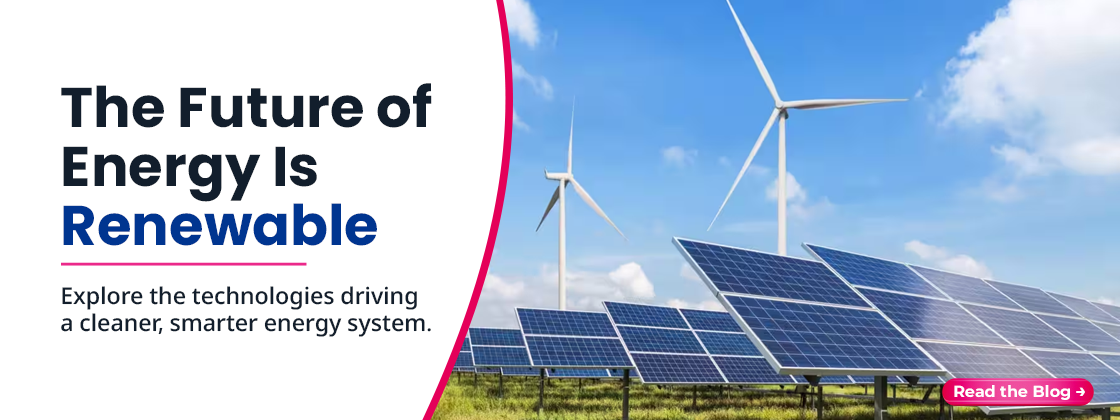
Renewable Energy | Sources, Benefits & How to Get Started


Renewable Energy | Powering a Sustainable Future
Renewable energy has transitioned from a niche concept to a key component of global electricity generation. Solar panels now adorn school rooftops, wind farms stretch along coastlines, and even small villages operate on renewable power.
This guide explains what renewable energy is, how the main technologies work, why the shift matters, and what you can do about it.
What Is Renewable Energy?
Renewable energy originates from natural sources that replenish themselves within a human lifespan: sunlight, wind, flowing water, geothermal heat, and organic material. Unlike finite resources like coal, oil, and gas, these sources do not deplete with use.
The terms green energy and sustainable energy are often used interchangeably with renewable energy, but they differ slightly:
- Renewable energy describes the source. It replenishes naturally.
- Green energy describes the environmental impact. It has little or no pollution.
- Sustainable energy describes the long-term picture. It meets today's needs without compromising future generations.
Most renewable energy sources are also green and sustainable, though this isn't guaranteed. Large hydropower dams may disturb ecosystems, and burning biomass can produce emissions if not properly managed.
Why Renewable Energy Matters Now
Three pressures are pushing the world toward clean power: climate change, energy security, and cost.
Burning fossil fuels releases greenhouse gases that warm the planet. Relying on imported fuel also leaves countries vulnerable to price shocks. Meanwhile, the price of solar panels and wind turbines has fallen sharply over the past decade, making clean power often the cheapest way to add new electricity.
The numbers reflect this. The International Renewable Energy Agency (IRENA) 2026 report found that global renewable power capacity reached 5,149 GW last year, up from a record increase of 692 GW. Renewables now make up 49% of global installed power capacity, and they accounted for 85.6% of total global capacity expansion that year.
Main Renewable Energy Sources
Understanding the main renewable energy sources helps you see where each one fits best.
Solar Energy
Solar energy is the fastest-growing energy source. Photovoltaic (PV) panels convert sunlight directly into electricity, while solar thermal systems use sunlight to heat water or other fluids.
Solar leads global growth. IRENA reports that solar accounted for about 75% of the 692 GW of renewables added worldwide in 2025. It suits everything from a single home rooftop to utility-scale solar farms.
Wind Energy
Wind turbines convert moving air into electricity. Onshore wind is now among the cheapest power sources in many countries, and offshore wind offers stronger, steadier breezes. Wind capacity grew by 14% in 2024, with record additions of 158.7 GW in 2025.
Hydropower
Hydropower generates electricity by using flowing water to turn turbines. As the oldest large-scale renewable source, it provides dependable, dispatchable power. However, building large dams can cause significant ecological and social impacts. As a result, many newer projects prefer smaller run-of-river setups to reduce these impacts.
Geothermal Energy
Geothermal plants harness heat stored beneath the Earth's surface. They operate around the clock, making them valuable in places such as Iceland, Kenya, and Indonesia.
Bioenergy
Bioenergy comes from organic materials such as crop residues, wood pellets, and biogas from animal waste. It works well in rural areas where waste is plentiful, but it requires careful sourcing to remain sustainable.
Renewable Energy Technologies and Systems
Generating clean electricity is only half the job. Modern renewable energy systems integrate several components that work together.
Generation Technologies
Solar PV, wind turbines, hydropower plants, and geothermal units generate power. Each of these renewable energy technologies is improving quickly, with higher efficiency and lower costs each year.
Storage Technologies
Sun and wind vary throughout the day and seasons, so storage smooths supply. Lithium-ion batteries are the most common option today. Pumped hydro, thermal storage, and green hydrogen are also used, especially for longer durations.
Smart Grids and Demand Management
A grid built for coal plants needs upgrading to handle variable supply. Smart meters, stronger transmission infrastructure, and flexible demand strategies, such as charging electric vehicles during periods of excess energy, can improve system performance.
Grids are the biggest bottleneck right now. The International Energy Agency has noted that rapid solar and wind growth requires significant grid adaptation, including stronger interconnections and more storage.
Benefits of Renewable Energy
The advantages go well beyond cleaner air.
- Lower emissions: Solar and wind produce no direct greenhouse gases during operation.
- Energy security: Sunlight and wind are domestic resources that can't be embargoed or priced by foreign suppliers.
- Job creation: Installing, maintaining, and manufacturing clean-energy equipment employs millions of people worldwide.
- Stable long-term costs: Once a solar panel or turbine is built, the fuel is free.
- Energy access: Off-grid solar and mini-grids can bring electricity to remote communities faster than extending the main grid.
Challenges of Renewable Energy
Renewable energy isn't a magic fix, and an honest assessment includes the hurdles.
Intermittency: Solar doesn't work at night and wind isn't constant. Storage and grid flexibility address this, but they add cost and complexity.
Grid constraints: Approval delays and overloaded networks slow down new projects in many countries.
Uneven progress: Most growth is concentrated in a few regions. IRENA notes that Asia contributed 74.2% of all new renewable capacity in 2025, while some regions lag far behind.
Fossil fuels are still growing: Clean power is winning most new capacity, but coal additions rebounded in some markets. Meeting climate goals requires renewables to displace fossil fuels, not just sit beside them.
Material and land use: Panels and batteries need minerals, and large projects need land. Recycling, responsible mining, and smart siting (rooftops, canals, degraded land) reduce these impacts.
Real-World Examples
- Denmark generates a large share of its electricity from wind and exports surplus power to neighbours.
- Costa Rica has run on nearly all renewable electricity for long stretches, mainly from hydropower, geothermal, and wind.
- Rural Africa and South Asia are seeing pay-as-you-go solar kits replace kerosene lamps, cutting costs and indoor air pollution.
- Corporate buyers are signing long-term contracts directly with wind and solar developers to power offices and data centres.
How to Use Renewable Energy in Daily Life
You don't need to own a wind farm to make a difference. These steps work at different budgets.
- Start with efficiency. Switching to LED lighting, efficient appliances, and better insulation cuts demand, so any clean system you add can be smaller and cheaper.
- Check your electricity plan. Many utilities offer green tariffs or renewable-sourced plans. Ask what share is genuinely renewable.
- Consider rooftop solar. Get at least three quotes, compare payback periods, and check local subsidies and net-metering rules before signing.
- Try community solar. If you rent or lack roof space, shared solar projects let you buy a share of a nearby array.
- Go electric where it makes sense. Electric vehicles, induction cooktops, and heat pumps run on clean power and get greener as the grid does.
- Use solar water heating. It's one of the most affordable, proven ways for households to use solar energy directly.
- Ask your workplace or school. Encouraging your organisation to adopt clean power can have a larger impact than a single household.
Incentives and rules vary by location, so confirm current details with your local energy authority or a certified installer before investing. Have research related to this topic? Explore our 25 open-access journals and submit your manuscript to Reseapro Journals. Visit our website to find the right journal for your research.
Conclusion
Renewable energy is no longer an experiment. It supplies nearly half of the world's installed power capacity and accounts for most new additions. Solar, wind, and storage are becoming cheaper, and grids are slowly adapting.
Real challenges remain, from grid bottlenecks to unequal access, but the direction is clear. Whether you improve your home's efficiency, switch to a green tariff, or install solar panels, each step moves us toward a more sustainable energy system.
Frequently Asked Questions (FAQs)
What is renewable energy in simple words?
It's energy from natural sources that refill on their own, such as sunlight, wind, water, and heat from the Earth. Using them doesn't deplete them the way burning coal or oil does.
What are the five main types of renewable energy?
Solar, wind, hydropower, geothermal, and bioenergy. Ocean energy, such as tidal and wave power, is a smaller but growing sixth category.
Is renewable energy cheaper than fossil fuels?
In many places, new solar and onshore wind are now the lowest-cost ways to add electricity. The full picture depends on local resources, financing, and grid costs, so results vary by country.
What is the difference between green energy and renewable energy?
Renewable energy refers to sources that are naturally replenished. Green energy refers to low environmental impact. They overlap heavily but aren't identical, since some renewable sources, like large dams, can have significant environmental effects.
Can renewable energy power the whole world?
Technically, the resource potential is enormous. In practice, it requires more storage, stronger grids, and investment in regions currently left behind. Most experts see a mix of technologies as the realistic path.
How can I switch to renewable energy at home?
Start with efficiency upgrades, then consider a green tariff, community solar, or rooftop solar. Compare quotes and check local incentives before you commit.
What is the biggest challenge for renewable energy?
Integrating variable power into the grid. Solutions include batteries, grid upgrades, and flexible demand.
Have research related to this topic? Explore our 25 open-access journals and submit your manuscript to Reseapro Journals. Visit our website to find the right journal for your research.
Reviews & Comments
No reviews yet. Be the first to write one.